There have been few mavericks that have been more productive and more controversial than Spike Lee. With over twenty feature films in twenty years, few filmmakers can match him in productivity or versatility. He's made documentaries, dramas, musicals and comedies. His most impressive films include 'When the Levees Broke', 'Clockers', 'Jungle Fever', 'Mo' Better Blues', 'Malcom X' and the classic 'Do the Right Thing'.
When a filmmaker is this active, people tend to dismiss their less successful films and paint them as 'washed up' or 'past their prime'. Woody Allen gets this all the time as there is some kind of expectation that he'll make 'Annie Hall' again and again. Francis Coppola once described 'The Godfather' as the albatross they hung around his neck because every single thing he does is compared to it. It's as if the critics think that an 'American Classic' is an easy thing to achieve! Lee's finest film may arguably have been the 1989 classic 'Do the Right Thing' but instead of trying to repeat the success, he's fearlessly gone forward and has made a body of work that is personal, diverse and engaging. It's that 'fearlessness' is what makes these filmmakers special. They don't just repeat themselves, but go forward and experiment and try new things. Does it fail sometimes? Of course. Most experiments have failure, that's the point. What are you going to learn from repeating yourself?
There aren't many feature film directors that cross over the divide of documentary and drama. Spike Lee's 2006 documentary 'When the Levees Broke' showed that Lee is just as dynamic and thought-provoking as he has ever been. Over the course of four hours, Lee's film takes the viewer through the Hurricane Katrina tragedy and it's aftermath. It's a powerful historical document that will have a life far beyond our own. (I wrote a short blog piece on it last year - you can read it here)
Spike Lee was also the reason that I decided to go to film school and take up this mad endeavor of filmmaking. After making 'She's Gotta Have It' he wrote that he wanted to demystify the process of making movies. He wanted to show people that you could make movies independently, outside of the big Hollywood machine. Although I loved film, photography, literature and drama, I didn't even consider that it could be a vocation. That's the spirit of the maverick - the determination to get your vision out there and not get caught up in all the nonsense that this business gets wrapped up in. Film is one of the toughest industries to break into. It's extremely costly to make a film and even the cheapest films could buy you a house. Somehow, filmmakers like Lee have been able to raise the financing and consistently push the boundaries of their own creativity. We're just along for the ride.
Friday


Thursday
Mavericks
Rob and I had a discussion about Robert Altman which gave birth to another discussion about film mavericks - filmmakers who push the boundaries and wrestle their vision into the commercial marketplace and make movies that are unique and personal.
I wanted to start with Peter Travers list of maverick films and invite readers to guest blog on their favourite maverick filmmakers. Email me your entry and I'll publish it here.
ROLLING STONE
100 Years / 100 Maverick Movies
by Peter Travers
The Godfather Trilogy (1972, 1974, 1990, Francis Ford Coppola)
Vertigo (1958, Alfred Hitchcock)
The Searchers (1956, John Ford)
2001: A Space Odyssey (1968, Stanley Kubrick)
Citizen Kane (1941, Orson Welles)
Raging Bull (1980, Martin Scorsese)
Chinatown (1974, Roman Polanski)
The Treasure of the Sierra Madre (1948, John Huston)
Blue Velvet (1986, David Lynch)
Pulp Fiction (1994, Quentin Tarantino)
King Kong (1933, Merian C. Cooper & Ernst B. Schoedsack)
The Manchurian Candidate (1962, John Frankenheimer)
Fargo (1996, Joel Coen)
All About Eve (1950, Joseph L. Mankiewicz)
Do the Right Thing (1989, Spike Lee)
The Night of the Hunter (1955, Charles Laughton)
Sherlock Jr. (1924, Buster Keaton)
Some Like It Hot (1959, Billy Wilder)
Nashville (1975, Robert Altman)
The Wizard of Oz (1939, Victor Fleming)
Sweet Smell of Success (1957, Alexander Mackendrick)
Brazil (1985, Terry Gilliam)
Invasion of the Body Snatchers (1956, Don Siegel)
Badlands (1973, Terrence Malick)
Don't Look Now (1973, Nicolas Roeg)
Gone with the Wind (1939, produced by David O. Selznick)
Casablanca (1942, Michael Curtiz)
It's a Wonderful Life (1946, Frank Capra)
Singin' in the Rain (1952, Stanley Donen & Gene Kelly)
On the Waterfront (1954, Elia Kazan)
Jaws (1975, Steven Spielberg)
One Flew Over the Cuckoo's Nest (1975, Milos Forman)
Lawrence of Arabia (1962, David Lean)
The Silence of the Lambs (1991, Jonathan Demme)
The Empire Strikes Back (1980, Irvin Kershner)
Ed Wood (1994, Tim Burton)
Faces (1968, John Cassavetes)
Annie Hall (1977, Woody Allen)
Bonnie and Clyde (1967, Arthur Penn)
Straw Dogs (1971, Sam Peckinpah)
The Third Man (1949, Carol Reed)
All the President's Men (1976, Alan J. Pakula)
Bride of Frankenstein (1935, James Whale)
Rebel without a Cause (1955, Nicholas Ray)
Written on the Wind (1956, Douglas Sirk)
Swing Time (1936, George Stevens)
The Red Shoes (1948, Michael Powell & Emeric Pressburger)
Network (1976, Sidney Lumet)
Sullivan's Travels (1941, Preston Sturges)
The Graduate (1967, Mike Nichols)
M (1931, Fritz Lang)
Zero for Conduct (1933, Jean Vigo)
The Rules of the Game (1939, Jean Renoir)
Children of Paradise (1945, Marcel Carne)
The Bicycle Thief (1949, Vittorio De Sica)
The Earrings of Madame de... (1953, Max Ophuls)
Tokyo Story (1953, Yasujiro Ozu)
The Seven Samurai (1954, Akira Kurosawa)
Pather Panchali (1955, Satyajit Ray)
Breathless (1959, Jean-Luc Godard)
The 400 Blows (1959, Francois Truffaut)
La Dolce Vita (1960, Federico Fellini)
Viridiana (1961, Luis Bunuel)
Persona (1966, Ingmar Bergman)
The Conformist (1970, Bernardo Bertolucci)
Aguirre, the Wrath of God (1972, Werner Herzog)
Seven Beauties (1976, Lina Wertmuller)
Wings of Desire (1988, Wim Wenders)
Women on the Verge of a Nervous Breakdown (1988, Pedro Almodovar)
The Killer (1989, John Woo)
City Lights (1931, Charles Chaplin)
Cabaret (1972, Bob Fosse)
Quiz Show (1994, Robert Redford)
A Night at the Opera (1935, Sam Wood)
The Producers (1968, Mel Brooks)
Lost in America (1985, Albert Brooks)
The Terminator (1984, James Cameron)
White Heat (1949, Raoul Walsh)
His Girl Friday (1940, Howard Hawks)
Out of the Past (1947, Jacques Tourneur)
The Piano (1993, Jane Campion)
Blowup (1966, Michelangelo Antonioni)
Blow Out (1981, Brian De Palma)
The Philadelphia Story (1940, George Cukor)
Bad Day at Black Rock (1955, John Sturges)
Ninotchka (1939, Ernst Lubitsch)
Diner (1982, Barry Levinson)
To Sleep With Anger (1990, Charles Burnett)
Unforgiven (1992, Clint Eastwood)
Midnight Cowboy (1969, John Schlesinger)
Lone Star (1996, John Sayles)
The Naked Kiss (1964, Samuel Fuller)
The Crying Game (1992, Neil Jordan)
Broadcast News (1987, James L. Brooks)
Dead Ringers (1988, David Cronenberg)
My Little Chickadee (1940, Edward Cline)
Night of the Living Dead (1968, George A. Romero)
Monty Python and the Holy Grail (1975, Terry Jones & Terry Gilliam)
Intolerance (1916, D.W. Griffith)
Freaks (1932, Tod Browning)
I wanted to start with Peter Travers list of maverick films and invite readers to guest blog on their favourite maverick filmmakers. Email me your entry and I'll publish it here.
ROLLING STONE
100 Years / 100 Maverick Movies
by Peter Travers
The Godfather Trilogy (1972, 1974, 1990, Francis Ford Coppola)
Vertigo (1958, Alfred Hitchcock)
The Searchers (1956, John Ford)
2001: A Space Odyssey (1968, Stanley Kubrick)
Citizen Kane (1941, Orson Welles)
Raging Bull (1980, Martin Scorsese)
Chinatown (1974, Roman Polanski)
The Treasure of the Sierra Madre (1948, John Huston)
Blue Velvet (1986, David Lynch)
Pulp Fiction (1994, Quentin Tarantino)
King Kong (1933, Merian C. Cooper & Ernst B. Schoedsack)
The Manchurian Candidate (1962, John Frankenheimer)
Fargo (1996, Joel Coen)
All About Eve (1950, Joseph L. Mankiewicz)
Do the Right Thing (1989, Spike Lee)
The Night of the Hunter (1955, Charles Laughton)
Sherlock Jr. (1924, Buster Keaton)
Some Like It Hot (1959, Billy Wilder)
Nashville (1975, Robert Altman)
The Wizard of Oz (1939, Victor Fleming)
Sweet Smell of Success (1957, Alexander Mackendrick)
Brazil (1985, Terry Gilliam)
Invasion of the Body Snatchers (1956, Don Siegel)
Badlands (1973, Terrence Malick)
Don't Look Now (1973, Nicolas Roeg)
Gone with the Wind (1939, produced by David O. Selznick)
Casablanca (1942, Michael Curtiz)
It's a Wonderful Life (1946, Frank Capra)
Singin' in the Rain (1952, Stanley Donen & Gene Kelly)
On the Waterfront (1954, Elia Kazan)
Jaws (1975, Steven Spielberg)
One Flew Over the Cuckoo's Nest (1975, Milos Forman)
Lawrence of Arabia (1962, David Lean)
The Silence of the Lambs (1991, Jonathan Demme)
The Empire Strikes Back (1980, Irvin Kershner)
Ed Wood (1994, Tim Burton)
Faces (1968, John Cassavetes)
Annie Hall (1977, Woody Allen)
Bonnie and Clyde (1967, Arthur Penn)
Straw Dogs (1971, Sam Peckinpah)
The Third Man (1949, Carol Reed)
All the President's Men (1976, Alan J. Pakula)
Bride of Frankenstein (1935, James Whale)
Rebel without a Cause (1955, Nicholas Ray)
Written on the Wind (1956, Douglas Sirk)
Swing Time (1936, George Stevens)
The Red Shoes (1948, Michael Powell & Emeric Pressburger)
Network (1976, Sidney Lumet)
Sullivan's Travels (1941, Preston Sturges)
The Graduate (1967, Mike Nichols)
M (1931, Fritz Lang)
Zero for Conduct (1933, Jean Vigo)
The Rules of the Game (1939, Jean Renoir)
Children of Paradise (1945, Marcel Carne)
The Bicycle Thief (1949, Vittorio De Sica)
The Earrings of Madame de... (1953, Max Ophuls)
Tokyo Story (1953, Yasujiro Ozu)
The Seven Samurai (1954, Akira Kurosawa)
Pather Panchali (1955, Satyajit Ray)
Breathless (1959, Jean-Luc Godard)
The 400 Blows (1959, Francois Truffaut)
La Dolce Vita (1960, Federico Fellini)
Viridiana (1961, Luis Bunuel)
Persona (1966, Ingmar Bergman)
The Conformist (1970, Bernardo Bertolucci)
Aguirre, the Wrath of God (1972, Werner Herzog)
Seven Beauties (1976, Lina Wertmuller)
Wings of Desire (1988, Wim Wenders)
Women on the Verge of a Nervous Breakdown (1988, Pedro Almodovar)
The Killer (1989, John Woo)
City Lights (1931, Charles Chaplin)
Cabaret (1972, Bob Fosse)
Quiz Show (1994, Robert Redford)
A Night at the Opera (1935, Sam Wood)
The Producers (1968, Mel Brooks)
Lost in America (1985, Albert Brooks)
The Terminator (1984, James Cameron)
White Heat (1949, Raoul Walsh)
His Girl Friday (1940, Howard Hawks)
Out of the Past (1947, Jacques Tourneur)
The Piano (1993, Jane Campion)
Blowup (1966, Michelangelo Antonioni)
Blow Out (1981, Brian De Palma)
The Philadelphia Story (1940, George Cukor)
Bad Day at Black Rock (1955, John Sturges)
Ninotchka (1939, Ernst Lubitsch)
Diner (1982, Barry Levinson)
To Sleep With Anger (1990, Charles Burnett)
Unforgiven (1992, Clint Eastwood)
Midnight Cowboy (1969, John Schlesinger)
Lone Star (1996, John Sayles)
The Naked Kiss (1964, Samuel Fuller)
The Crying Game (1992, Neil Jordan)
Broadcast News (1987, James L. Brooks)
Dead Ringers (1988, David Cronenberg)
My Little Chickadee (1940, Edward Cline)
Night of the Living Dead (1968, George A. Romero)
Monty Python and the Holy Grail (1975, Terry Jones & Terry Gilliam)
Intolerance (1916, D.W. Griffith)
Freaks (1932, Tod Browning)
Sunday
I woke up to the chattering of the birds...
It's amazing how images from films burn themselves into your conciousness. All I could think of was Hitchcock when I woke up this morning to hundreds of chattering birds perched on my neighbours homes. I like, Mr. Hitchcock's characters, went out to have a look. I, unlike Mr. Hitchcock's characters, lived to tell about it.


Thursday
The Bionic Woman (spoilers)
I have to confess that I'm not a big fan of one-hour television dramas (outside of HBO titles). I have very little patience for most of the shows and this has led me to miss some diamonds in the rough. I've been told "West Wing" was terrific - I never saw it. I've been advised to check out "Law and Order" and I have on occasion, finding it to be a fine show but it hasn't kept my interest. I have tuned in for 24 and Lost but both of those shows have timelines much more like a mini-series - not to mention that Lost's locations are eye candy and 24's pacing is beyond ADHD. I admit, however, when both of those shows are over, I can't remember a damn thing about them. For me they truly are mindless entertainment. At least I am entertained.
Last night I decided to try out a new series to see if I'm just missing the boat. I sat down and watched the new "Bionic Woman". Now, I should have been excited by this as I've always felt that the orginal 'Bionic Man' pilot could be made into a stellar feature film (seemingly condtradicting my previous posts -- it's called Musings and Contradictions bub). The Steve Austin story strikes me as a plausible super hero story that is ripe for a lot of thematic exploration. I've even written a feature script that deals with similar issues - the seperation of mind and body. It's a fascinating topic for me and raises all sorts of ideological questions.
Given the opportunity to make something dynamic, exciting and interesting, the 'Bionic Woman' pilot was poor. I suspected this would be the case when I saw the trailer that seemed more like a take on the 'Matrix' than the 'Bionic Woman'. Somehow bionics allows one to defy physics? For me, the strength of the bionic story is in its plausibility. This isn't to say that this technology will ever come to fruition but it sure feels like it could. It's in this plausibility that you can really make your audience believe their seeing something real instead of watching a comic book. This, in turn, brings the audience closer to the material.
The pilot did have some good ideas in it but the execution of the ideas was flawed and there was too much emphasis on the cyber punk stylistics and creepy atmospherics. The story execution needed a lot of work. They introduce the sister in the episode but fail to create a story for her thus taking up time for no apparent reason (I'm sure they will do something with it in subsequent episodes but it was lazy not to do something with it in the pilot). Also, they introduce you to the 'evil' bionic woman right off the top of the show. Had they saved the actual introduction to the end of the show it would have improved it greatly. Instead of the audience being aware of the 'evil' bionic woman, they would have been asking themselves - "who this strange and creepy blond woman?". Then, during the fight climax, when she reveals herself as the first bionic woman, she would be doing it for Jamie and us. Then we would want to know more. It's a simple story restructure and suddenly we, like Jamie, have a mystery we need to figure out.
The character motivation is extremely odd as well. When Jamie discovers that they have 'put her back together', she freaks out and is hostile to everyone who just saved her life. Her relationship with the doctor (who she's apparently in love with) shows no sign of affection or care. He might as well have been a stranger at this point. These reactions seem more of an 'idea' imposed by the filmmakers than a well thought out character.
The matrix-style fight at the end was cliche. Her superior fighting skills are explained by computer chips implanted in her brain!?! I would have been happier seeing her learn to walk again then watch her get an ass whupp'n from the evil bionic woman so she would want to learn how to protect herself and use her bionics.
"It's just television Mark, relax", you say.
I know. I just figure if you're going to all the trouble of doing it and spending all that money, you might as well make it great.
Monday
Old Fashioned Marketing
I don't like the word genius and rarely use it. The composer Bernard Herrmann could qualify for the title if "Wile E. Coyote" would ever give it up.
Oh yeah. Hitchock was pretty ok too.
The Remake pt 2
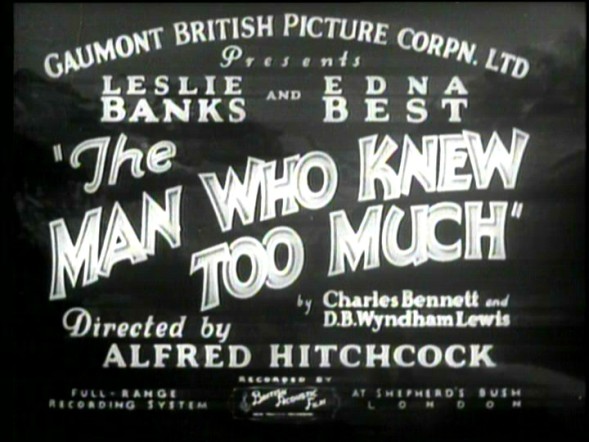
There have been examples of filmmakers remaking their own films - Hitchcock remade "The Man Who Knew Too Much" and George Sluizer remade "The Vanishing". I quite enjoy "The Man Who Knew Too Much" but wouldn't put at the top of my list of Hitchcock favourites. The remake of "The Vanishing" was dismal in comparison despite a fairly good performance from Jeff Bridges. He probably would have done better to remake it in todays climate as he wouldn't have to make a "happy ending". What can you say? He probably got paid pretty damn well (and we all do a little bit of prostitution in this industry).
Odd that both films are about the search for a loved one who has vanished.

Subscribe to:
Posts (Atom)